Is Ceramic Coating Worth it?

Ceramic Coating · Honest Breakdown

Is Ceramic Coating Worth It?

You’ve been quoted somewhere between $800 and $2,500 for ceramic coating, and you’re trying to figure out if that number makes any sense. The internet isn’t much help. Enthusiasts call it life-changing; skeptics call it overpriced wax. Both camps are partly right, and that’s the problem with most of the advice out there.

2–6 YearsReal-world professional coating performance with proper care
UV + ChemicalProtection designed for harsh Phoenix conditions
Not Impact ProofPPF—not ceramic—is designed to absorb rock chips
The Straight Answer

What You Need To Know Before You Spend A Dollar

This article gives you a straight answer. We’ll cover what ceramic coating actually does to your paint, what it costs at every level, how long it holds up in the real world, and what maintenance it actually requires. By the end, you’ll know whether it’s the right call for your vehicle or whether something else makes more sense for your situation.

At ProTech Detailing AZ in Phoenix, we work with vehicles at every stage of paint deterioration. That ground-level view shapes everything in this breakdown. We see where ceramic coating earns its price and, just as clearly, where it doesn’t.

What It Actually Does

Protection That Bonds To Your Paint

Ceramic coating is a nano-ceramic, semi-permanent liquid polymer that chemically bonds to your vehicle’s clear coat. Once cured, it creates a hydrophobic, UV-resistant layer that sits on top of your paint and changes how contaminants interact with the surface. This isn’t marketing language; the chemistry is documented. The protection benefits are measurable and well-documented in independent testing.

UV
UV Stabilization

Helps defend against oxidation and color fading in high-sun markets.

Hydrophobic Performance

Water, grime, bird droppings, and sap release more easily instead of bonding aggressively.

C
Chemical Resistance

Acidic contaminants have less opportunity to etch into the clear coat before removal.

Professionally detailed and protected vehicle in Phoenix
The Benefits That Are Real

Especially Practical In Phoenix

UV stabilization is one of the most practical benefits, especially in high-sun markets. The coating blocks UV rays that cause oxidation and color fading over time. The hydrophobic properties cause water, road grime, bird droppings, and tree sap to bead up and slide off the surface rather than bonding aggressively to the paint.

Chemical resistance means those same contaminants, many of which are acidic or corrosive, have far less opportunity to etch into the clear coat before you can wash them off. In an environment like Phoenix, where the UV index stays consistently among the highest in the country year-round and dust storms deposit abrasive particles on every unprotected panel, these aren’t small benefits.

The scratch and swirl resistance reality check

Ceramic coating reduces micro-marring from washing and light incidental contact, but it is not a physical barrier. It will not stop a rock chip, a key scratch, or a door ding. PPF is designed for impact absorption. Ceramic coating and PPF protect against different threats, and the best setup for a new luxury vehicle is often both.

The Real Cost

DIY Kits Vs. Professional Installation

The price range isn’t arbitrary. It reflects real differences in product quality, surface area, prep time, and whether paint correction is included. Understanding what drives the number helps you evaluate any quote.

DIY ceramic coating kits$50–$200

Consumer products commonly deliver 4–8 months for spray/wipe coatings or 12–20 months for better-prepared DIY applications. A budget option, but not the same product or process.

Professional Grade Coatings$600–$1,500

Professional 2026 pricing varies with coating layers, surface area, preparation, and paint condition.

The Cost People Forget

Paint Correction Comes Before Protection

Applying ceramic coating over scratched, swirled, or oxidized paint seals those defects permanently under the coating. Once it’s cured, those imperfections aren’t coming out without removing the coating first.

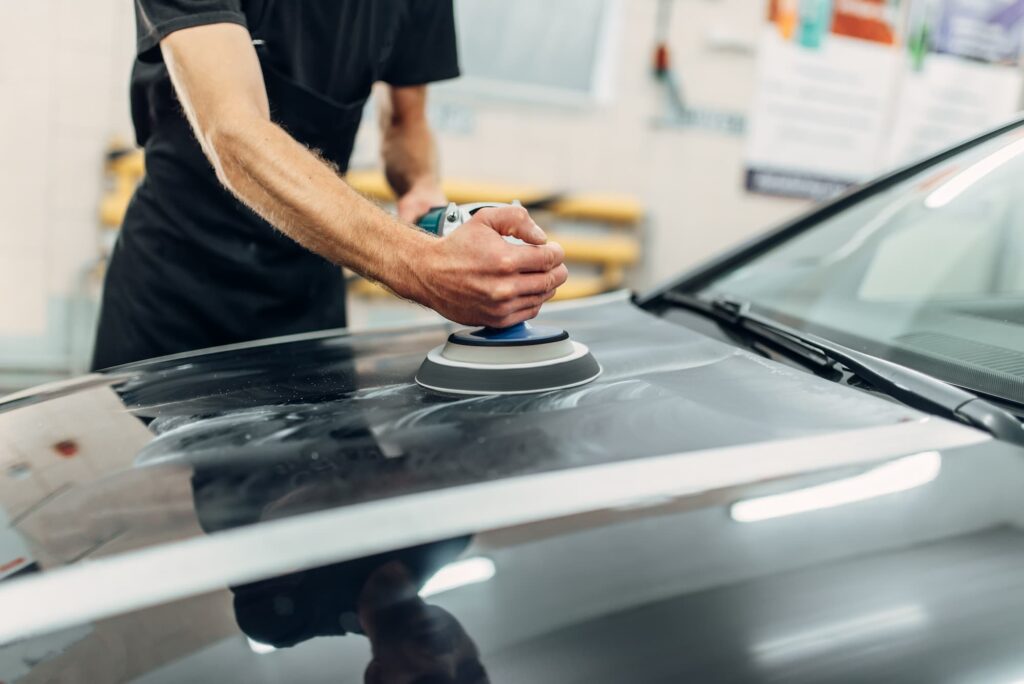
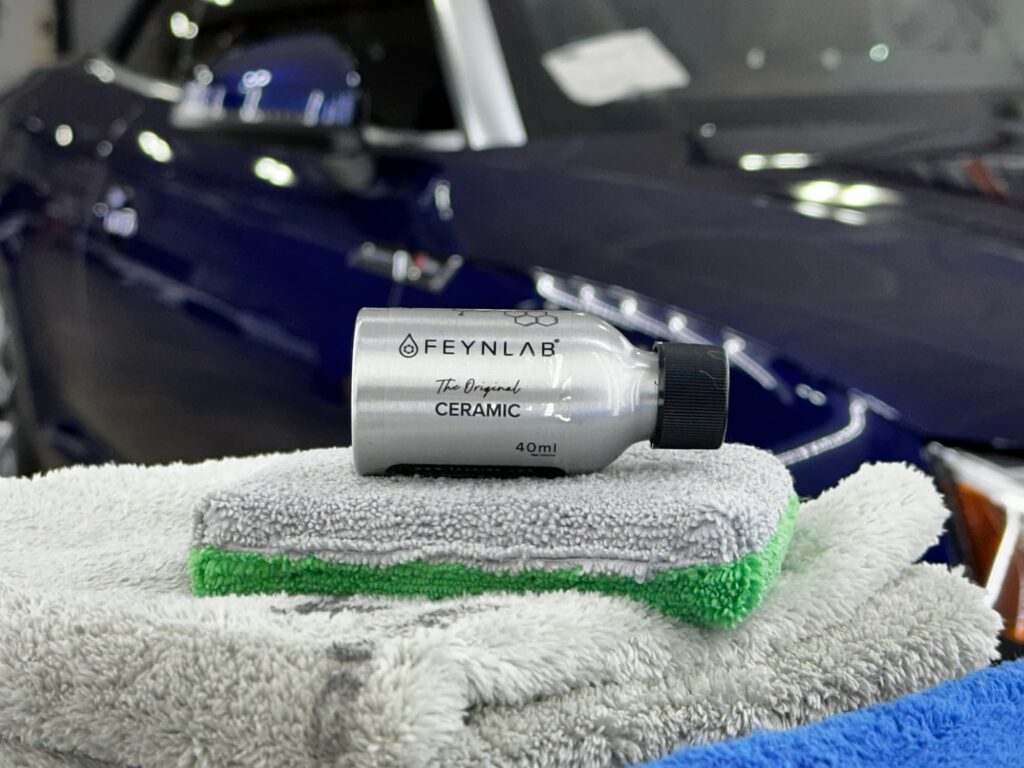
A single-stage correction adds roughly $300+ depending on size and condition; a multi-stage process runs $600+ depending on vehicle size and paint condition. For a midsize sedan that needs correction before coating, your realistic all-in investment is $900 to $1,400+. That number is accurate, and any installer who doesn’t bring it up in the consultation is skipping a step you’ll notice later. This number reflects a multi-stage correction on a mid size sedan with a 5 year FEYNLAB Ceramic Coating at ProTech Detailing.

Real-World Longevity

How Long Ceramic Coating Actually Lasts

Manufacturer warranty language is not the same as field performance. Product grade, application quality, surface preparation, and maintenance determine the honest range.

4–8 Months

Spray-On Consumer Products

The lower end of DIY protection with minimal surface preparation.

12–20 Months

Careful DIY Application

Quality kits, proper preparation, good technique, and diligent maintenance can stretch performance.

2–5 Years

Professional-Grade Coatings

Real-world field performance when professionally prepared, installed, and properly maintained.

What about graphene?

Real-world testing places most graphene-enhanced coatings at 1–3 years, with professionally installed multi-layer systems occasionally performing longer. Application quality and maintenance matter more than the product label. Poor prep can collapse an expensive coating into sub-year performance, while proper care can extend a mid-tier coating well beyond its base warranty.

The Maintenance Routine

Coating Makes Washing Easier—It Does Not Eliminate It

The most common misconception about ceramic coating is that it eliminates the need to wash your car. It doesn’t. What it does is make washing easier and less damaging. Skipping maintenance doesn’t just reduce gloss; it shortens the coating’s functional lifespan significantly.

1

Wash every one to two weeks

Use a two-bucket hand wash with pH-neutral, ceramic-safe shampoo. One bucket holds shampoo; the other provides clean rinse water for the wash mitt between passes.

2

Avoid automatic tunnel washes

Brushes and high-pressure blowers degrade the coating faster and introduce new marring. Safe wash technique is the foundation, not an optional extra.

3

Refresh with SiO2 maintenance

After each wash or every two to four weeks, a SiO2 maintenance spray can refresh hydrophobic behavior and gloss.

4

Boost every three to six months

A ceramic booster or topper is appropriate when water beading begins to weaken.

5

Decontaminate every six to twelve months

An iron remover pulls bonded metallic contamination that builds invisibly and gradually reduces coating performance.

This is a manageable routine. It takes less time than frequent waxing, and the protection it maintains is significantly more durable. Skipping decontamination is a common reason professionally installed coatings underperform their rated lifespan—and it is easy to avoid with a consistent schedule.

Who Gets The Most Value?

Ceramic Coating Is Not Right For Every Vehicle

The honest answer depends on your vehicle, environment, expectations, and willingness to maintain the finish.

Where It Earns Its Cost

  • New luxury or exotic vehicles needing immediate protection
  • Daily commuters in high-UV, high-heat markets
  • Owners already investing in frequent proper hand washes
  • Phoenix drivers facing oxidation, intense sun, and abrasive dust storms

When It May Not Be Worth It

  • Older vehicles with heavily compromised paint and disproportionate correction costs
  • Drivers who will not commit to regular hand washing
  • Owners expecting ceramic coating to stop chips and deep scratches
  • Budgets better served by a quality sealant, wax, or targeted PPF
The ProTech Approach

Documentation Can Add Value Beyond The Finish

ProTech Detailing AZ pursues certified installer status so that warranty documentation is tied to your vehicle’s VIN. Some certified installers offer VIN-registered warranties that can appear on vehicle history reports, giving a future buyer or dealership verifiable proof of professional care.

That kind of documented service record can support your asking price at trade-in time and give buyers added confidence in the vehicle’s condition. Not every shop structures its process this way, and most car owners don’t realize the difference until they’re already at the negotiating table.

The Real Alternatives

Choose Protection For The Threat

Ceramic coating, PPF, sealants, and wax are not interchangeable. Each solves a different problem at a different price and durability level.

Physical Protection

Paint Protection Film

PPF is a thick, sacrificial film that absorbs impact and self-heals light scratches with heat. It categorically outperforms ceramic on bumpers, hoods, mirror caps, and other rock-chip zones. Many owners use PPF on impact areas and ceramic over the whole vehicle.

Middle Ground

Graphene + Ceramic Sealants

Graphene coatings may improve heat dissipation and hydrophobic retention, but independent results vary. Spray-on silica sealants offer lower-cost protection lasting roughly 6–12 months without true ceramic’s intensive preparation.

Lowest Barrier

Traditional Wax

Wax offers the least durability—typically 1–3 months—but has the lowest barrier to entry. It can still make sense when budget, vehicle condition, or short-term goals do not justify a coating.

The Honest Verdict

Worth It—When The Vehicle And Expectations Are Right

For new vehicles in harsh climates, professional ceramic coating is worth the investment when it’s properly applied over corrected paint and consistently maintained. For daily drivers who want lower long-term maintenance costs and a surface that resists contamination, the math is solid. For owners who care about resale documentation, a VIN-registered installation creates a verifiable service record you can point to at trade-in time.

For older vehicles, casual owners, or anyone expecting it to replace physical chip protection, the investment often returns less than expected. In those cases, starting with PPF on rock-chip areas, a quality sealant, or even a targeted detail service is a smarter starting point.

Phoenix Vehicle Protection

Get A Recommendation Based On Your Paint

The combination of intense UV exposure, extreme heat, and road debris makes certified installation and documented warranty coverage worth serious consideration in Phoenix. Conditions here are harder on unprotected paint than in most markets.

Reach out to ProTech Detailing AZ to book a vehicle inspection and get a recommendation based on your paint’s actual condition—not a one-size-fits-all package. That conversation costs you nothing and gives you a clear picture of what your vehicle actually needs.

Explore Ceramic Coating Options →
Restore. Correct. Protect.
Professional coating-safe vehicle care at ProTech Detailing

TUNNEL WASH VS PROFESSIONAL CARE

The car wash you choose can make or break the performance of your ceramic coating. Here’s what every coated-car owner should know.

The Key Takeaway

Protect What You Paid For

Brushes, aggressive chemicals, and poor wash techniques slowly reduce the performance you paid for. The right maintenance routine keeps your coating performing the way it should.

×
Tunnel Washes
Cause Damage
pH-Neutral
Is Essential
Hand Wash
Is The Standard
Ceramic Coating Aftercare

Your Coating Is Only As Good As The Care It Receives

A professionally installed ceramic coating is an investment in your vehicle’s finish, but the coating itself is only one part of the equation. How the vehicle is washed afterward has a major impact on how well that protection continues to look and perform. A coating can make the surface more resistant to environmental contamination, easier to clean, and noticeably more hydrophobic, but it does not make the paint immune to improper washing.

One of the biggest misconceptions we see is that a ceramic-coated vehicle can safely go through any car wash because the coating will protect everything underneath it. In reality, ceramic coatings are highly resistant to many chemicals and environmental contaminants, but they can still be physically abraded. Repeated contact from dirty brushes, cloth strips, and other tunnel-wash media can introduce fine scratches and swirl marks into the finish.

The frustrating part is that the decline usually happens gradually. You may not notice a dramatic difference after one wash. Over time, though, gloss can begin to look flatter, water behavior can become less impressive, and the vehicle may stop feeling as slick or as easy to maintain as it did immediately after the coating was installed.

That is why we look at ceramic coating maintenance as part of the protection process itself. Installing a quality coating gives the vehicle a strong foundation. Using the right wash methods afterward is what allows you to preserve that finish and get the lifespan and performance you invested in.

The Reality

What Tunnel Washes
Do To Your Coating

Harsh Brushes & Dirty Media

Tunnel wash brushes collect dirt and debris from vehicle after vehicle, increasing the risk of micro-scratches and swirls.

Aggressive Chemicals

High-volume wash systems often prioritize cleaning speed rather than the gentle chemistry preferred for long-term coating care.

Poor Water Quality

Mineral-heavy or recycled water can leave deposits that dull gloss and interfere with hydrophobic behavior.

Short-Term Convenience. Long-Term Cost.

Saving a few minutes today can mean premature correction, polishing, and coating maintenance later.

Vehicle inside an automatic tunnel car wash
Why The Damage Happens

The Problem Is More Than Just The Brushes

The biggest concern with a traditional tunnel wash is physical contact. Brushes and cloth media are repeatedly used on vehicle after vehicle, picking up fine dirt and abrasive particles along the way. When that material is dragged across your paint under pressure, those particles can behave like extremely fine sandpaper. On darker vehicles especially, the resulting micro-marring often becomes visible as circular swirl marks in direct sunlight.

Chemistry is the second concern. Automatic washes are built around speed and volume, so their soaps and pre-soaks need to remove contamination quickly. That can require considerably more aggressive chemistry than we would choose for routine maintenance on a professionally coated vehicle. A ceramic coating has strong chemical resistance, but repeatedly exposing it to harsh cleaners simply adds unnecessary stress to the surface.

Water quality matters too, particularly here in Arizona. Minerals left behind as water evaporates can create spotting on the coating, and allowing those deposits to repeatedly bake onto a hot vehicle can make them increasingly difficult to remove. A proper wash process is not just about getting dirt off the car; it also controls what touches the paint and what gets left behind afterward.

None of this means a ceramic coating is fragile. Quite the opposite. A quality coating provides substantial protection and makes normal maintenance much easier. The goal is simply to avoid introducing damage that the coating was never designed to prevent in the first place.

A ceramic coating is not a force field.

It adds serious protection and makes your vehicle significantly easier to maintain. It does not make improper washing harmless.

Coating-Safe Maintenance

Not Every Wash Method
Is Equal

If your vehicle is ceramic coated, the wash method matters just as much as the products being used.

Avoid

Brush Tunnel Wash

Repeated physical contact, contaminated wash media, and aggressive chemistry make a traditional tunnel the highest-risk option for a professionally coated finish.

Emergency Backup

Touchless Wash

Touchless systems eliminate brush contact, but stronger detergents and inconsistent water quality mean they should be treated as an occasional backup rather than your maintenance plan.

What “Coating-Safe” Means

Touchless Is Better Than Brushes — But It Is Still A Backup

Touchless washes remove the biggest mechanical risk because no brushes or cloth physically contact the paint. If you are traveling, dealing with a particularly dirty vehicle, or simply have no other realistic option, a reputable touchless wash can be a much better choice than running a coated vehicle through a traditional brush tunnel.

The tradeoff is chemistry. Because touchless systems cannot rely on friction to loosen dirt, they often compensate with stronger detergents. Water quality also varies substantially between facilities. For that reason, we view touchless washing as a useful occasional option rather than the standard routine for a professionally coated vehicle.

For regular maintenance, coating-safe generally means choosing products and methods specifically suited to protected paint. A pH-neutral or ceramic-safe automotive shampoo, clean microfiber wash media, and a controlled rinse-and-dry process give you far more control over what is coming in contact with the surface.

The products matter, but technique matters just as much. Even the best shampoo cannot protect the finish if dirty wash media is repeatedly dragged across the vehicle. Good maintenance is a system: safe chemistry, clean tools, minimal unnecessary contact, and proper drying all work together.

Professional hand washing a ceramic coated vehicle
The Best Approach

Hand Wash.
Every Time.

Pre-Rinse & Foam Loosen contamination before touching the vehicle so less dirt gets dragged across the coating.
Two-Bucket Method Separate clean wash solution from rinse water and use grit guards to reduce recontamination.
Plush Wash Media Quality microfiber helps lift contamination away from the finish instead of grinding it against the paint.
Coating-Safe Shampoo Use chemistry designed to clean effectively without unnecessarily attacking the coating.
Thorough Rinse & Safe Drying Remove residue and mineral-heavy water before spotting has time to form.
Long-Term Maintenance

Consistency Is What Preserves The Finish

A proper hand wash gives you control over every variable that an automated tunnel removes from the equation. Loose dirt can be rinsed away before the paint is touched, wash media can be kept clean, and products can be selected specifically for compatibility with coated surfaces.

Washing from the cleaner upper portions of the vehicle toward the dirtier lower panels also reduces the chance of transferring heavier contamination across the finish. A dedicated rinse bucket or similarly controlled wash process helps keep the mitt clean as you move around the vehicle.

Drying deserves just as much attention as washing. Allowing mineral-heavy water to evaporate naturally can leave deposits behind, especially during Arizona’s hotter months. Clean microfiber drying towels or filtered air help remove that water before spotting has a chance to develop.

Frequency depends on how the vehicle is used and stored, but consistency matters more than waiting until the car looks severely dirty. A daily-driven vehicle exposed to dust, heat, road grime, bugs, bird droppings, and outdoor parking will generally benefit from more frequent maintenance than a lightly driven garage-kept vehicle.

The simple rule is this: ProTech handles the restoration and protection; the maintenance afterward should preserve that work, not undo it.

Protect Your Vehicle Properly

Restore.
Protect.
Maintain.

From paint correction and ceramic coatings to paint protection film and deep detailing, ProTech helps restore and protect your vehicle at the highest level.

Explore Our Services →
Professionally protected vehicle at ProTech Detailing
The Maintenance Side Of The Equation

Protected By ProTech.
Maintained By Automate.

After ProTech restores and protects your vehicle, Automate helps keep it that way with recurring coating-safe mobile hand washes delivered to you.