Loose gravel and construction debris can chip exposed front-end paint.

A new vehicle does not get much of a grace period on Arizona roads. Freeway debris, desert dust, intense sun, hard-water spots, and improper washing can begin affecting the finish almost immediately.
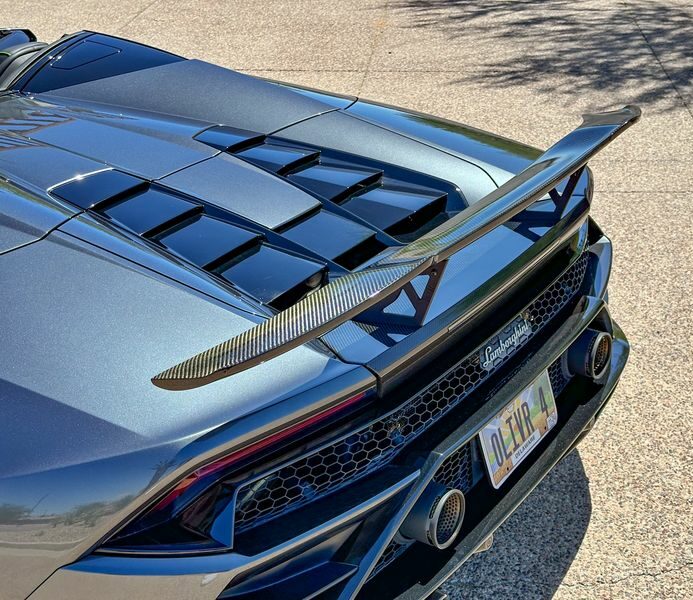
Buying a new vehicle should feel exciting. Unfortunately, a single freeway commute can expose fresh paint to loose gravel, construction debris, insects, dust, and small rocks kicked up by surrounding traffic. Parking outside adds intense UV exposure, hard-water sprinkler spots, bird droppings, and environmental contamination.
Even routine washing can create swirl marks when the wrong products or techniques are used. That is why the best time to think about protecting a new car is before ordinary damage begins to accumulate.
For most new vehicles in Arizona, the best protection plan starts with full-front paint protection film and a professional ceramic coating. PPF protects the panels most vulnerable to rock chips and physical wear, while ceramic coating adds gloss, hydrophobic properties, and easier maintenance across the rest of the vehicle.
More specialized protection, including full-body PPF or Avant Guard Formula 1051, may be appropriate for certain owners—but those options are not automatically necessary for every new car.
Loose gravel and construction debris can chip exposed front-end paint.
Continuous UV and high temperatures accelerate deterioration of unprotected surfaces.
Mineral deposits can become increasingly difficult to remove as droplets bake onto hot paint.
Tunnel washes, dirty towels, and abrasive tools can introduce visible swirl marks.
A brand-new vehicle does not always arrive with flawless paint. Transportation, dealership storage, lot washing, adhesive removal, and final preparation can introduce contamination, water spots, light scratches, or swirl marks before the owner takes delivery.
Some vehicles may also have sanding marks or isolated defects from the manufacturing process. Before installing any long-term protection, the paint should be professionally inspected under controlled lighting.
Preparation may include a thorough hand wash, chemical and mechanical decontamination, removal of adhesive or transportation residue, paint enhancement or correction, and final panel preparation. PPF and ceramic coating should not be used to hide defects that should have been addressed first.
For the average new vehicle that will be driven regularly in Arizona, this sequence offers a practical balance of physical protection, appearance, and manageable upkeep.
Identify contamination, water spots, transportation residue, and defects before anything is covered or sealed.
Cover the panels that meet freeway debris first: the front bumper, full hood, front fenders, mirror caps, and appropriate lighting surfaces.
Primary physical protectionSupport gloss, hydrophobic behavior, and easier maintenance across the remaining paint and, where approved, the film itself.
Primary surface protectionUse proper hand-wash methods, coating-safe products, and prompt contaminant removal to preserve the result.
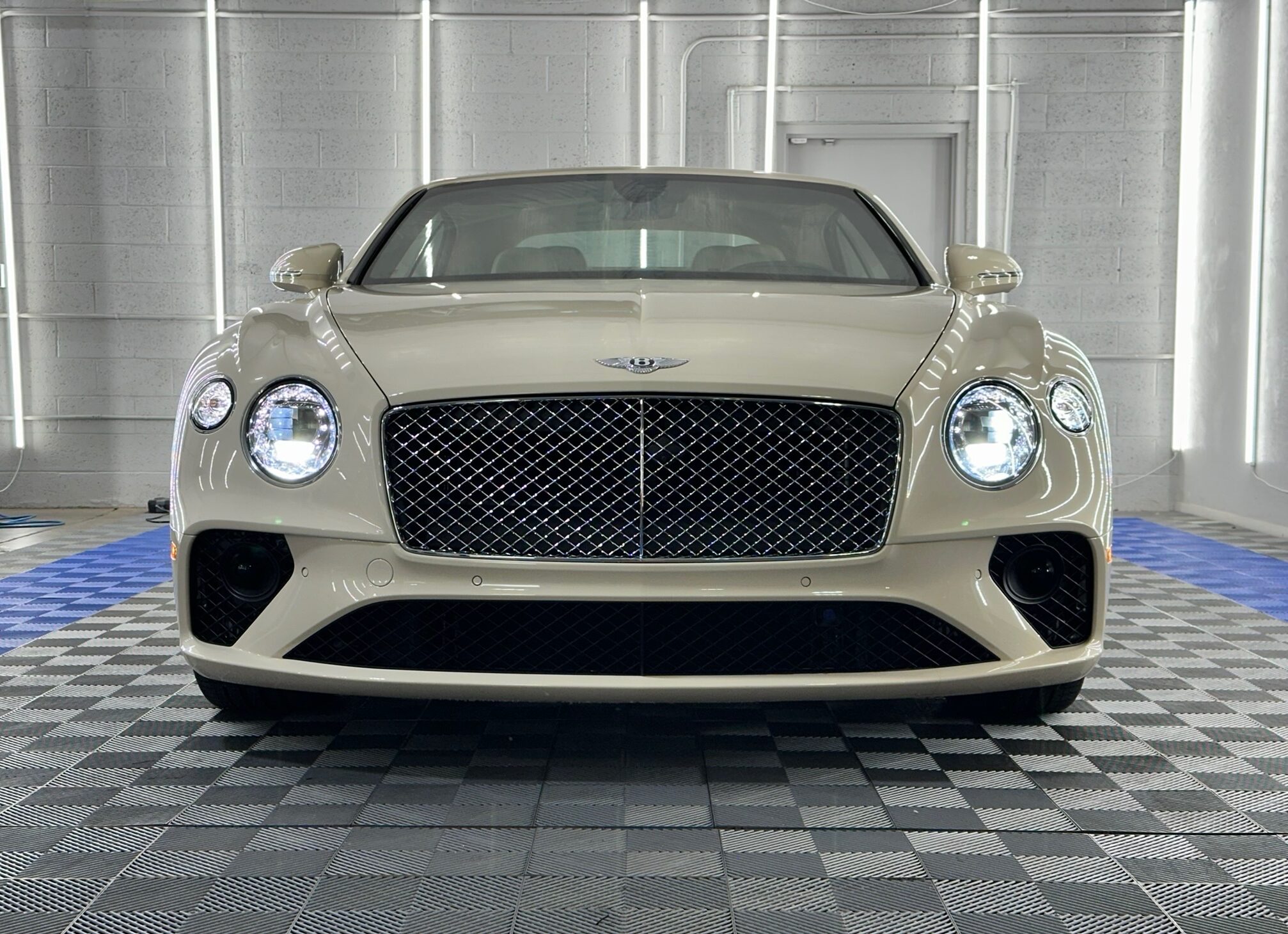
Paint protection film is a transparent urethane film installed over painted surfaces. It creates a sacrificial physical layer that helps protect the original finish from ordinary driving hazards.
PPF helps reduce the damage caused by gravel, construction debris, bug impacts, and other front-end exposure.
Premium film can absorb minor surface wear before it reaches the factory clear coat beneath it.
Self-healing surface technology can allow certain light marks within the film’s topcoat to diminish with heat.
A sufficiently sharp or forceful impact can still damage the film or paint beneath it. The purpose is to reduce the damage caused by the hazards a vehicle encounters during normal use.
PPF and ceramic coating protect against different concerns, which is why they work so well together. While PPF provides physical impact protection, ceramic coating is a liquid-applied treatment that bonds to a properly prepared surface.
That is the role of paint protection film. Together, the two products address both physical exposure and ongoing care.
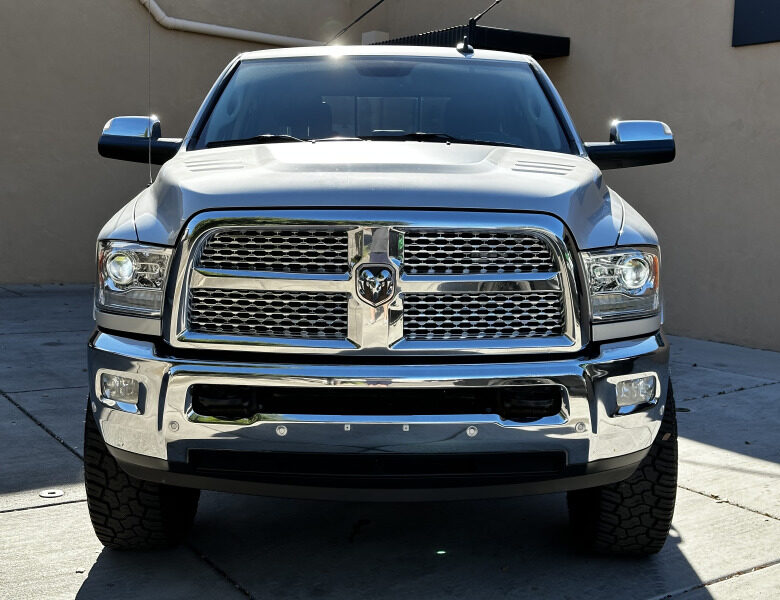
The right plan is not always the most extensive plan. Broader protection becomes more relevant when the vehicle, its expected use, and the owner’s long-term priorities justify it.
Full-body PPF extends physical protection beyond the front end to cover nearly every painted panel.
It may be worth considering for rare, exotic, luxury, collector, or long-term vehicles; difficult-to-repair finishes; demanding driving conditions; or owners who are especially sensitive to ordinary paint wear.
Avant Guard Formula 1051 can enter the conversation when an owner is seeking a more substantial long-term layer over the vehicle’s finish.
It is most relevant when the vehicle is expected to experience unusually demanding use, the owner plans to keep it for the life of the vehicle, or long-term preservation is a major priority.
A garage-kept vehicle used for ordinary commuting may be very well served by full-front PPF and a professional ceramic coating. The goal is to choose protection that makes sense—not simply install the most extensive product available.
Ideally, protection should be installed as soon as practical after delivery—before the front end accumulates chips and the paint develops unnecessary wash damage. That does not mean the installation should be rushed.
Discuss coverage, ownership length, parking, and driving habits while the vehicle is still on order.
Check the finish for contamination, transportation residue, water spots, scratches, and defects.
Complete preparation first, install film, then apply the compatible coating according to the full plan.
PPF will not remove chips already in the paint, and ceramic coating will not correct swirl marks. Planning early helps reduce the amount of unprotected driving without sacrificing proper preparation.
Protection reduces risk and simplifies care, but it does not eliminate maintenance.
Use appropriate products, clean tools, and controlled hand-wash methods instead of abrasive brushes or tunnel washes.
Bird droppings, bug residue, sprinkler water, and environmental contamination should still be addressed quickly.
Observe curing instructions, approved chemistry, film-edge care, inspections, and applicable warranty maintenance.
The film protects the panels most likely to experience rock chips and physical damage, while the coating improves gloss and makes ongoing care easier.
Full-body PPF may make sense for owners who want broader physical coverage. Avant Guard Formula 1051 may be worth considering for vehicles expected to endure demanding conditions or remain with the same owner for the long term.
At ProTech Detailing in Phoenix, we inspect the vehicle, learn how it will be used, and recommend protection around the owner’s actual priorities—not simply the most extensive package available.
Tell us what you purchased, how you plan to use it, and how long you expect to keep it. We’ll help you choose protection that fits the vehicle and your ownership plans.