Weekly
Higher exposureBest for high-mileage commuters, vehicles parked outdoors, monsoon conditions, or frequent contamination.

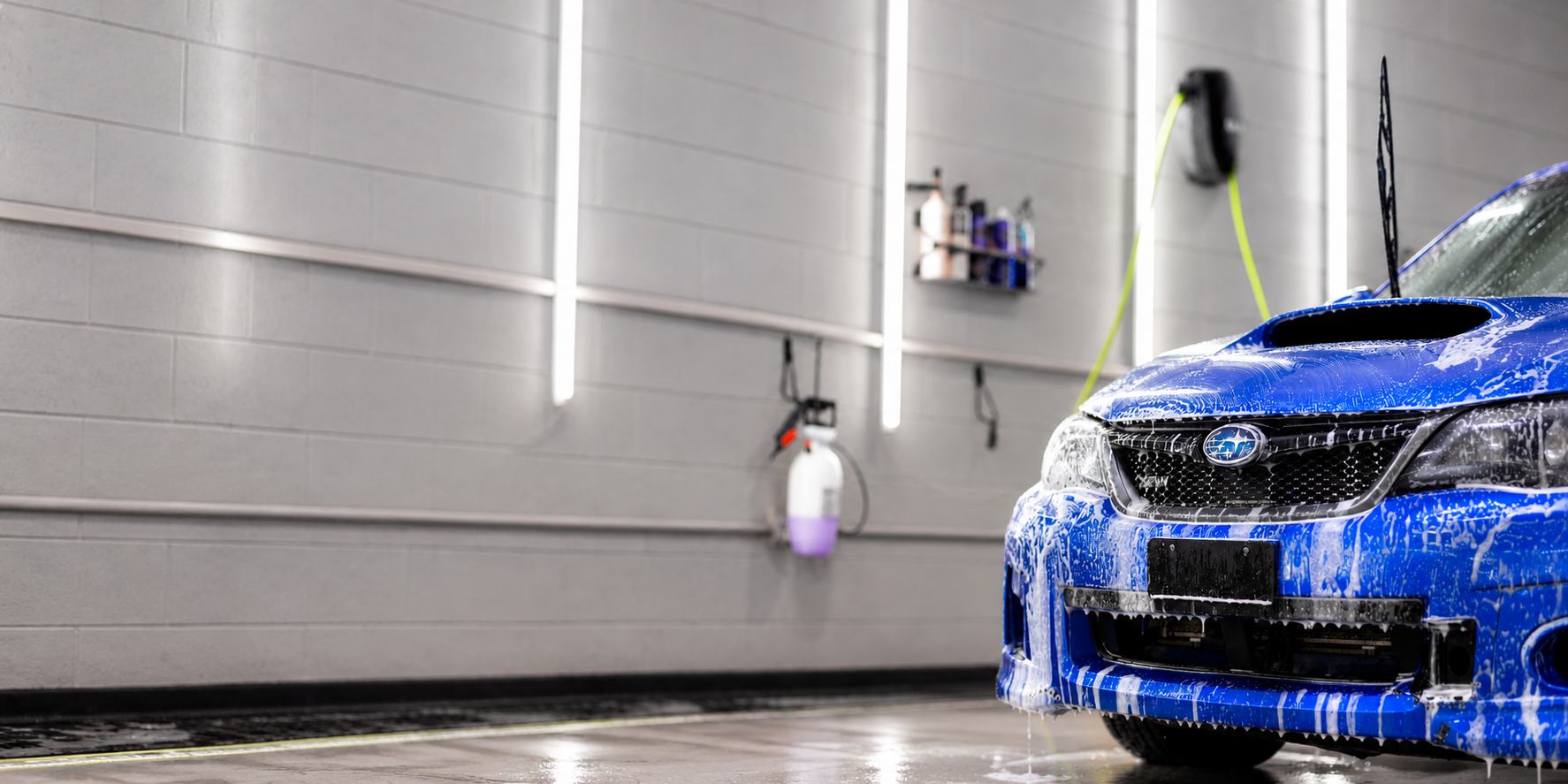
Most drivers wash their vehicle when it starts to look dirty. The problem is that many of the contaminants that damage paint begin working long before they become obvious. Fine desert dust, hard-water minerals, bird droppings, bug residue, tree sap, pollen, and road film can sit on the surface, bond to the clear coat, and gradually dull the finish.
So, how often should you really get your car washed? For most drivers, every two weeks is a practical starting point. From there, the right schedule depends on how much you drive, where you park, the season, the condition of your paint, and—just as importantly—how the vehicle is being washed.
At ProTech Detailing in Phoenix, we see vehicles at every stage of paint deterioration. Some need only consistent, safe maintenance. Others arrive with years of swirl marks, mineral deposits, oxidation, or etched contamination that washing alone can no longer correct. This guide will help you determine which schedule makes sense for your vehicle and how to protect the finish between professional services.
For a normally driven vehicle, washing approximately every one to three weeks is a reasonable range. A bi-weekly wash works well for many drivers because it removes contamination before it has time to build up, while still being realistic enough to maintain consistently.
Best for high-mileage commuters, vehicles parked outdoors, monsoon conditions, or frequent contamination.
The sweet spot for many Arizona drivers: frequent enough to prevent heavy buildup and practical enough to maintain.
May work for a garage-kept, lightly driven and protected vehicle, but usually not an outdoor daily driver.
Light dust, pollen, road film, and mineral residue may be difficult to see, especially on silver, white, or lighter-colored paint. Bird droppings and bug residue are more urgent because heat can accelerate the way they stain or etch the surface. They should be removed safely as soon as possible rather than waiting for the next scheduled wash.
The goal is not to wash your vehicle as often as possible. The goal is to remove harmful contamination at the right interval without creating additional damage through improper washing.
In moderate conditions, a bi-weekly wash gives most contaminants a limited amount of time to remain on the paint. It also creates a routine that is easier to follow than waiting until the vehicle becomes severely dirty and requires a more aggressive cleaning process.
Think of washing as preventative maintenance for the exterior. You do not wait for the clear coat to fade, for minerals to etch into the paint, or for grime to become deeply embedded before taking action. Consistent cleaning helps preserve the finish and reduces the likelihood that the vehicle will need intensive correction later.
That baseline should be adjusted whenever your vehicle is exposed to harsher conditions.
Some contaminants justify moving from a bi-weekly schedule to a weekly schedule—or cleaning the affected area immediately.
These materials do more than make a vehicle look dirty. Many are acidic, abrasive, mineral-heavy, or corrosive. The longer they remain on the finish—especially on a hot panel—the greater the chance that a normal wash will no longer be enough to remove the resulting stain or defect.
Two vehicles in the same Phoenix neighborhood can require completely different wash schedules. Mileage, passengers, parking conditions, and exposure all change how quickly contamination accumulates.
Highway driving builds up bugs, tire dust, road film, and airborne contamination much faster than occasional local driving. Someone driving 50 or more miles a day may benefit from weekly washing, particularly during bug-heavy seasons or after long highway trips.
For these vehicles, frequent washing is not simply cosmetic. Removing contamination before it bonds to the finish helps preserve the clear coat and any wax, sealant, or ceramic coating protecting it.
The appropriate schedule also extends to the interior. Food residue, spills, pet hair, dirt, and moisture can create staining and odors quickly in Arizona heat. A bi-weekly maintenance schedule is often easier and less expensive than allowing the interior to build up for several months and then requiring a major reset.
Regular maintenance does not replace an occasional comprehensive interior detail, but it can dramatically reduce how often a vehicle needs intensive extraction, odor treatment, or deep cleaning.
A garage-kept, lightly driven vehicle may remain in good condition on a three- to four-week schedule. A daily-driven vehicle parked outdoors in Phoenix should generally be washed more often.
Outdoor parking exposes the finish to direct UV radiation, airborne dust, bird activity, tree debris, and sudden water spotting. When those contaminants sit on a hot surface for days or weeks, the risk of staining and etching increases.
Climate is one of the biggest factors in determining how often a vehicle should be washed, and Arizona creates a particularly demanding environment for automotive paint.
Fine desert dust settles onto every exposed surface. The dust itself is not always the source of visible damage; the problem occurs when it is wiped, brushed, or dragged across dry paint. That can create fine scratches and swirl marks over time.
After a dust storm, avoid wiping the vehicle down with a dry towel or quick-detail spray unless the product and process are specifically designed for that level of contamination. A thorough rinse and safe hand wash are the better options.
Arizona sunlight accelerates oxidation, fading, and clear-coat deterioration. Washing does not block UV exposure by itself, but it removes the contamination that compounds the problem. A quality wax, synthetic sealant, or ceramic coating provides the additional protective layer that washing alone cannot.
Vehicles parked outside every day benefit most from combining regular washing with durable UV protection.
Rain does not count as a free car wash. Monsoon water mixes with dust and pollution before drying on the vehicle, often leaving mineral residue and dirty spotting behind. When those deposits bake onto hot paint, they can become difficult to remove and may eventually etch into the clear coat.
During monsoon season, outdoor-parked vehicles should generally be washed every 7 to 14 days and soon after significant dust or muddy rain exposure. If water spots remain after a proper wash, avoid scrubbing aggressively. They may require professional mineral removal, polishing, or paint correction depending on their severity.
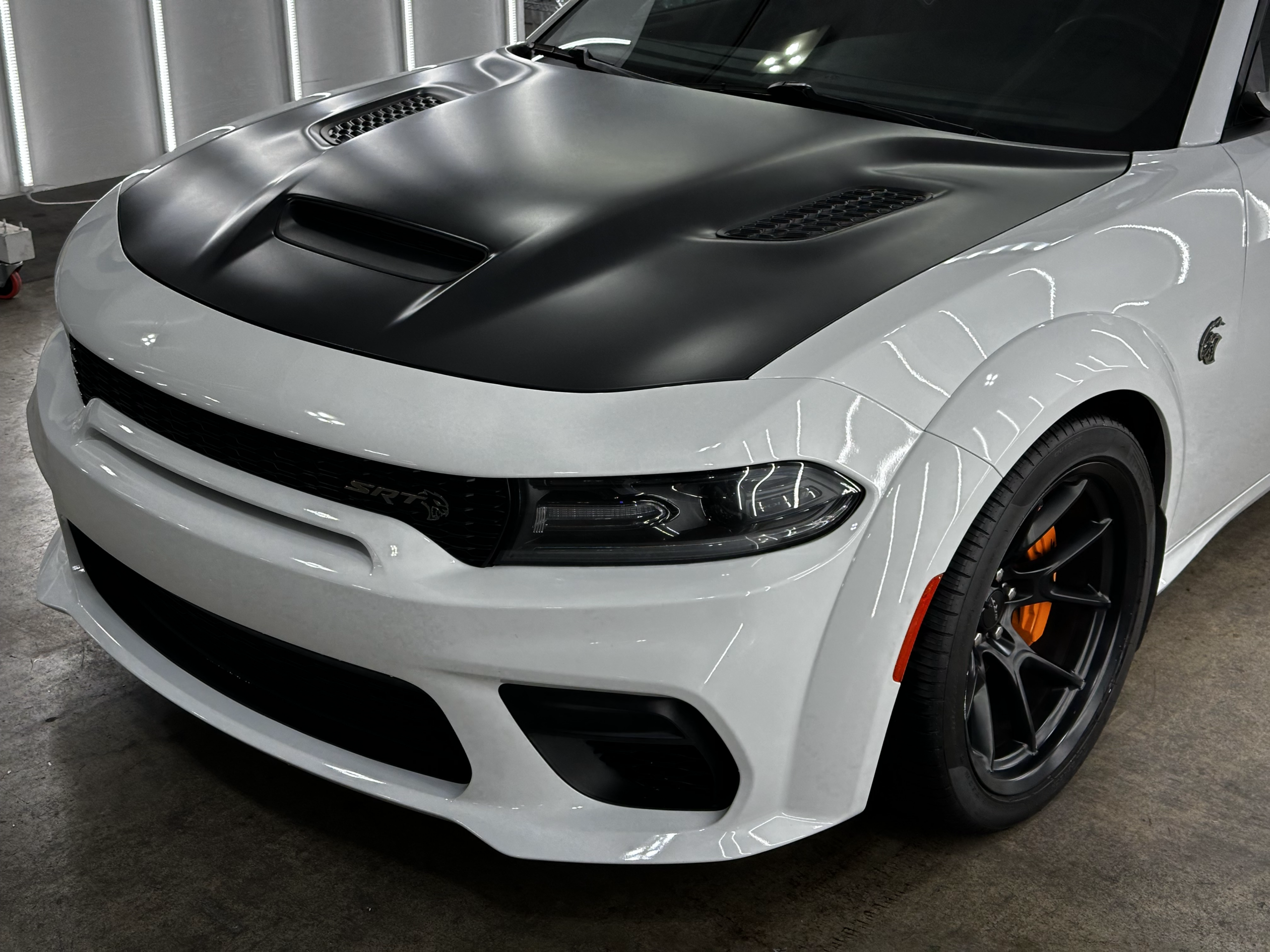
Each schedule can be appropriate in the right circumstances. The best choice is the one that matches your actual exposure and uses a safe wash method.
Weekly washing makes sense for high-mileage commuters, vehicles parked outdoors every day, drivers dealing with frequent bird activity or tree sap, families and pet owners during high-mess periods, Arizona vehicles during monsoon season, and recently protected vehicles whose owners want to preserve the finish carefully.
Weekly washing is safe when it is performed correctly. The concern is not the number of washes; it is the amount of friction, the cleanliness of the tools, and the chemistry being used.
For the average driver, bi-weekly washing is usually the sweet spot. It is frequent enough to prevent heavy buildup but practical enough to maintain consistently.
A vehicle with a moderate commute, a mix of garage and outdoor parking, and no major contamination issues will generally respond well to this schedule. Pair it with safe hand washing and periodic protection, and the paint should hold up far better than it would with sporadic cleaning.
Monthly washing can work for a garage-kept, lightly driven vehicle in mild conditions. It is usually not enough for a daily-driven vehicle parked outdoors in Arizona.
During summer and monsoon season, a full month gives dust, mineral residue, bugs, and UV exposure too much uninterrupted time to affect the finish. If monthly washing is the only realistic schedule, stronger paint protection and quick removal of urgent contamination become even more important.
Washing more often does not protect the paint if each wash introduces new damage. A vehicle washed incorrectly every week can develop more visible swirl marks than one washed properly every two weeks. The schedule and the method have to work together.
Brush and soft-cloth tunnel washes are convenient, but the equipment contacts vehicle after vehicle and can carry dirt or grit across the next vehicle’s clear coat. Repeated visits can gradually produce micro-scratches and visible swirl marks—particularly on dark paint. Harsh chemistry can also shorten the performance of waxes, sealants, and ceramic coatings. For luxury vehicles, corrected paint, and professionally coated finishes, repeated brush-wash use works against the protection and appearance you invested in.
Touchless washes remove the brush-contact risk, making them a better occasional choice than a traditional tunnel wash. However, they usually rely on stronger detergents and higher pressure. Those chemicals can reduce the lifespan of waxes and sealants and may weaken a coating’s water behavior when used repeatedly. A touchless wash can be useful while traveling or when a proper hand wash is not available, but it should not be the first choice for long-term care of a professionally finished vehicle.
A controlled hand wash remains the preferred method because it allows clean tools, appropriate chemistry, and safe pressure to be used on each section of the vehicle. Even the best products cannot compensate for dirty wash media or excessive pressure. Technique is what determines whether a wash preserves the finish or slowly damages it.
Regular washing removes contamination, but it does not replace paint protection. Arizona vehicles benefit from a protective layer that helps reduce UV exposure, chemical bonding, oxidation, and water-spot damage. The right option depends on the vehicle’s condition, how it is used, and how long you plan to keep it.
Traditional wax provides short-term gloss and protection but requires frequent reapplication. A quality synthetic or ceramic sealant lasts longer and can be a practical option for vehicles that do not need a professional ceramic coating. Sealants work best when the paint is properly cleaned and decontaminated first. Applying protection over embedded contamination does not correct the surface underneath.
If the paint already has swirl marks, oxidation, staining, or etched water spots, washing will not remove those defects. Paint correction uses machine polishing to safely improve the clear coat and restore clarity and gloss. At ProTech, correction recommendations are based on the vehicle’s actual condition and the owner’s goals. Some vehicles need only a paint-enhancement polish; others require a more intensive correction process before protection is applied.
A professional ceramic coating chemically bonds to the clear coat and creates a durable, hydrophobic, UV-resistant layer. It makes routine cleaning easier and helps contaminants release from the surface, but it does not make the vehicle maintenance-free or protect against rock chips. ProTech installs FEYNLAB ceramic coatings with one-, three-, and five-year options. The right coating depends on the vehicle, ownership plans, storage, and maintenance routine.
For physical impact protection, paint protection film is the better tool. PPF is designed to absorb damage from road debris and rock chips in high-impact areas such as the front bumper, hood, fenders, and mirror caps. Ceramic coating and PPF are often paired because they solve different problems: PPF provides a physical barrier, while ceramic coating adds chemical resistance, easier maintenance, and hydrophobic performance.
Proper preparation is essential because a coating preserves the condition underneath it.
A normal maintenance wash is appropriate when the vehicle is in good condition and the contamination is sitting on the surface. A professional detail becomes the better choice when buildup or defects can no longer be addressed safely with routine washing.
ProTech’s in-shop environment gives our technicians access to controlled lighting, professional decontamination products, polishers, extraction equipment, and the time required to diagnose the surface correctly. The goal is not to sell every vehicle the same package. It is to determine whether the finish needs cleaning, decontamination, correction, protection, or a combination of those services.
ProTech focuses on restoring, correcting, and protecting vehicles at the shop. That includes deep detailing, paint correction, ceramic coatings, and paint protection film. Once the vehicle has been restored and protected, consistent maintenance is what preserves the result.
For owners who prefer to handle maintenance themselves, we recommend a proper hand-wash routine using coating-safe products and clean tools.
So, how often should you get your car washed in Arizona?
Consistency matters more than perfection. A safe bi-weekly hand wash will do more for long-term paint condition than an occasional deep clean followed by months of neglect. Combine the right schedule with appropriate protection, and your vehicle will be easier to maintain, retain its gloss longer, and require less corrective work over time.
If you are unsure whether your vehicle needs a maintenance wash, decontamination, paint correction, ceramic coating, or PPF, bring it to ProTech Detailing in Phoenix for an inspection. We will evaluate the actual condition of the finish and recommend the level of care that makes sense for your vehicle—not a one-size-fits-all package.
Explore ProTech Services →