

Monday - Friday  8am to 6pm


Talk to a Pro


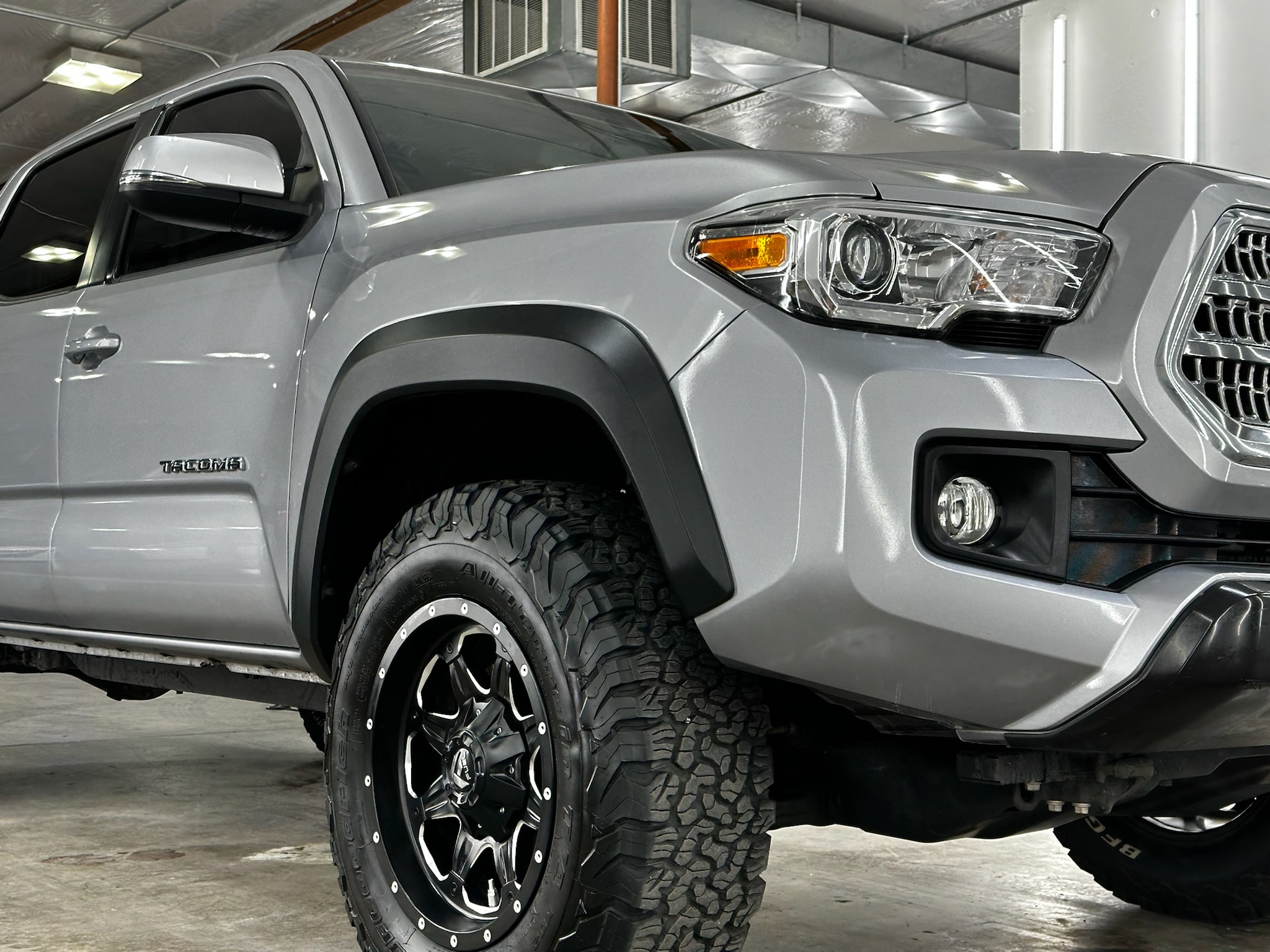
Arizona daily driver protected with paint protection film
Arizona Daily Driver Guide

Is PPF Worth It For Daily Drivers In Arizona?

You do not need a weekend sports car to know the frustration of finding a fresh rock chip. For Arizona daily drivers, paint protection film helps protect the panels that take the hit first.

◇
Madico PROTEKT10-year manufacturer’s warranty
The Everyday Case For PPF

Rock Chips Do Not Wait For A Special Occasion

Maybe you just bought your vehicle. Maybe you finally had the paint polished. Then one drive down the 101 leaves a little white mark on the bumper that you notice every time you walk past it.

For Arizona daily drivers, that is where paint protection film, commonly called PPF or clear bra, enters the conversation.

PPF helps protect painted surfaces from rock chips, road debris, and certain scratches. And while it often gets associated with luxury and exotic vehicles, the car you drive to work, school pickup, and the grocery store has plenty of reasons to benefit from it.

The question is how much protection makes sense for your vehicle, your routine, and the way you want it to look a few years from now.

The Physical Barrier

What Is Paint Protection Film?

Paint protection film is a flexible urethane material applied over a vehicle’s exterior surfaces. Clear PPF allows the paint color to show through while adding a physical barrier between the finish and everyday road hazards.

Think about the front bumper on a vehicle that spends years on the freeway. Each small stone has the potential to leave a mark. With PPF installed, the film becomes the first surface that debris meets.

That does not guarantee the paint will escape every impact. Larger debris and harder hits can damage the film and the surface underneath. But it gives vulnerable areas a layer of protection that bare paint does not have.

What “self-healing” really means

Many modern films have self-healing topcoats designed to allow fine surface marks to diminish under the right conditions. That applies to light marks in the film’s topcoat—not deep cuts, missing material, or scratches beneath the film.

Protect The Panels That Take The Hit First

Your Daily Drive Has Impact Zones

Vehicle showing common paint protection film impact zones
01
Front Bumper & HoodDirect exposure to approaching rock chips and road debris.
02
Front Fenders & MirrorsForward-facing surfaces that collect impacts during everyday driving.
03
Rocker Panels & Lower DoorsDebris thrown by the vehicle’s own tires can wear lower painted surfaces.
04
Door Cups, Edges & SillsProtection against rings, fingernails, shoes, and repeated daily contact.
05
Rear Loading AreaHelps limit scratches from groceries, luggage, strollers, and sports gear.
Why It Makes Sense Here

Arizona Daily Drivers Put The Front End To Work

A vehicle does not have to travel far to encounter wear. Commuting, parking lots, construction zones, and weekend errands all contribute. Whether you are heading from Arcadia into Scottsdale, taking the 51 through Phoenix, or spending part of every workday on I-10, your vehicle’s exposed surfaces are repeatedly meeting whatever the road throws at them.

Freeway Miles

The bumper, hood, front fenders, and mirrors sit directly in the path of approaching debris.

Leaving more following distance is a good habit, but you cannot control every stone kicked up by another vehicle. PPF adds protection to those exposed areas before small chips begin accumulating.

For someone who drives across the Valley every day, that can be a more relevant reason to consider film than whether the vehicle qualifies as a “luxury car.”
Wear Beyond The Bumper

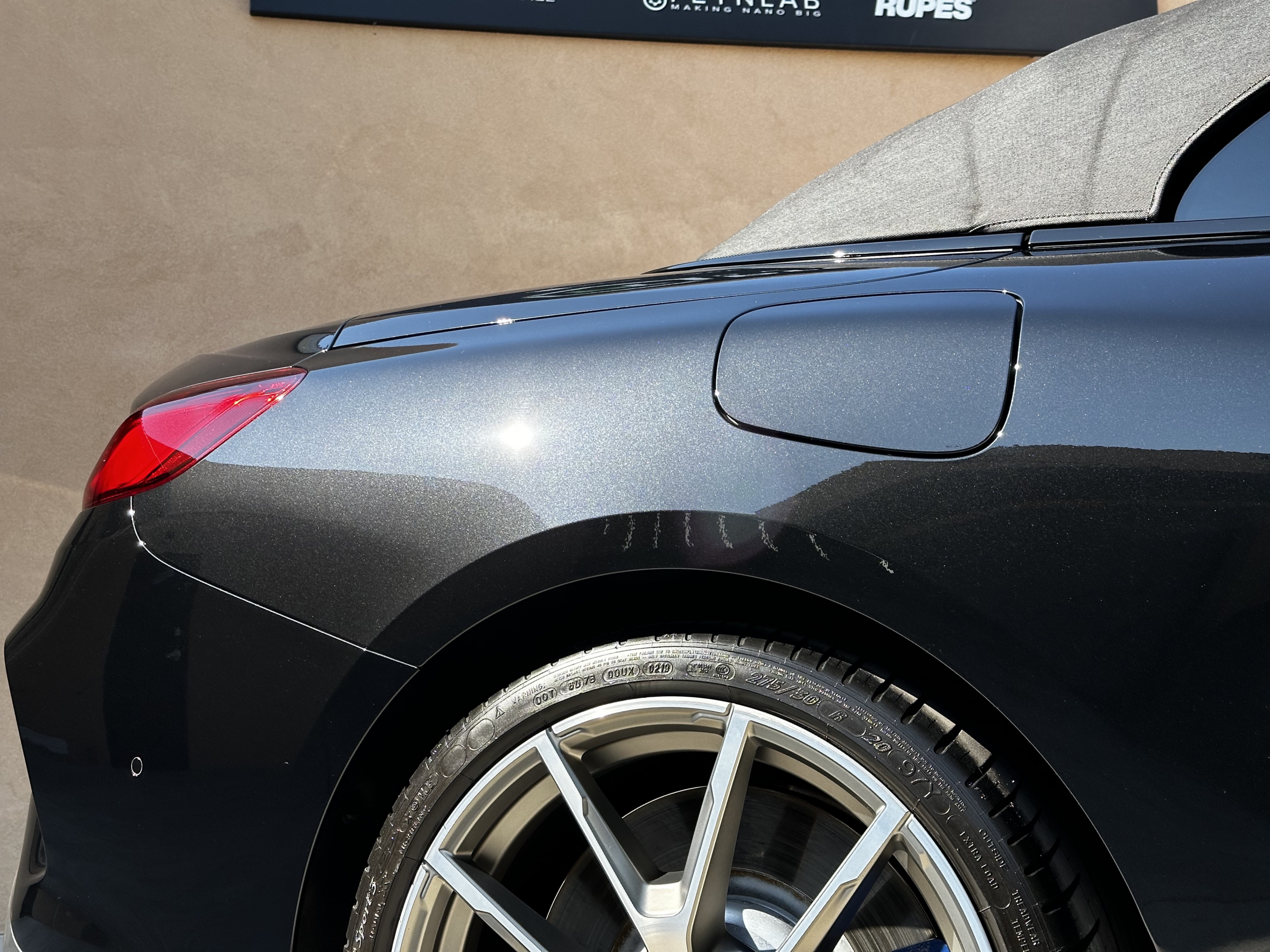
Rock chips get most of the attention, but other surfaces have their own challenges.

Shoes can scuff painted door sills. Fingernails and rings can mark the area behind door handles. Loading groceries, luggage, or a stroller can leave scratches along the top of a rear bumper.

Targeted PPF can help protect these contact areas, making it useful for family SUVs and everyday commuters as well as enthusiast vehicles.

Arizona Still Requires Care

Sun, dust, bugs, and water residue are part of the ownership experience here. PPF adds a protective surface, but that surface still needs cleaning.

A protected vehicle parked near sprinklers in Paradise Valley needs water spots addressed. A freeway commuter covered in bugs needs a proper wash. Film gives you another layer to care for; it does not make contamination harmless.

Two Solutions. Different Jobs.

PPF Vs. Ceramic

Physical Protection

Paint Protection Film

PPF is primarily the choice for physical protection against chips and certain scratches. If your biggest concern is rocks hitting the hood, PPF is the more relevant conversation.

Surface + Maintenance

Ceramic Coating

Ceramic coating is primarily the choice for easier cleaning, water repellency, and surface protection against contaminants. A coating does not provide the same impact barrier as film.

Some owners choose both: film on exposed panels, followed by a compatible ceramic coating to simplify maintenance. The coating needs to be suitable for the film being installed.

Neither option eliminates washing, and neither makes a vehicle scratch-proof.

How Much Protection Makes Sense?

Choose The Coverage That Fits Your Daily Drive

You do not automatically need a full-body installation to get meaningful protection. A useful starting point is to look at where you drive, where your vehicle already collects wear, and which surfaces you most want to preserve.

Tire-Thrown Debris

Rocker Panels & Lower Doors

The lower sides of a vehicle can collect damage from debris thrown by its own tires.

Depending on body shape, tire width, and driving conditions, rocker panels, lower doors, and areas near the rear wheels may deserve attention alongside the front end.

The right coverage for a low sedan may look different from the right coverage for a truck or SUV.

Targeted Coverage

Small Areas, Specific Problems

For some owners, the most useful additions are door-handle cups and painted door edges, painted door sills, rear bumper loading areas, and vulnerable gloss-black trim where suitable for film installation.

A family vehicle that carries sports equipment all week may benefit from rear loading-area protection just as much as another vehicle benefits from additional front-end coverage.

Broader Protection

Full-Body PPF

Full-body PPF extends protection across the vehicle’s exterior painted panels.

It may appeal to someone who plans to keep a vehicle for years, wants to preserve a special finish, or is particularly bothered by visible wear.

It also involves a larger investment. For many daily drivers, a carefully chosen combination of front-end and high-wear-area coverage is a more comfortable fit.

Prepare Before You Protect

New Car Or Existing Paint?

Install early when possible

If you already know you want paint protection film, installing it before substantial road exposure gives you more opportunity to preserve the original finish. PPF cannot undo a rock chip that has already happened.

A vehicle with miles has not missed its chance

An inspection can help determine whether existing chips, scratches, or other defects should be addressed before installation.

New vehicles still need inspection

Being fresh from the dealership does not automatically mean the paint is free of contamination or surface marks. The goal is to prepare the finish appropriately before covering it.

Paint correction is not automatic

Sometimes correction is appropriate—but every vehicle does not need the same level of polishing. If visible defects would bother you after installation, it makes sense to discuss correcting them first. Existing chips may call for a separate touch-up or repair conversation.

Condition first. Checklist second.

At ProTech, the recommendation starts with the condition of the vehicle and the result you want. Preparation should support that result rather than follow the same checklist of services for every car.

Paint inspected and prepared before PPF installation
The Film And The Fit Both Matter

What Should You Look For In A PPF Installation?

Before choosing a paint protection film installer in Phoenix, ask what film is being used, which panels are included, and what the finished edges and seams will look like on your vehicle.

01 · Product

Know The Film

Ask which film is being installed and what its manufacturer warranty actually covers.

02 · Coverage

Confirm Every Panel

Package names vary. Review the exact included panels before you book.

03 · Finish

Discuss Edges & Seams

Some edges can be wrapped; others may require a visible termination because of panel design, access, or the installation pattern. Understanding that ahead of time helps set realistic expectations.

Madico PROTEKT at ProTech

At ProTech Detailing, we use Madico PROTEKT paint protection film. Madico currently lists a 10-year manufacturer’s warranty for its PROTEKT PPF line. Coverage is subject to the applicable warranty terms, so it is important to understand what is covered and how to care for the installed film. A manufacturer’s warranty should not be treated as a promise that road impacts or everyday damage will never require film replacement.

Consistent, Gentle Care

How Do You Maintain PPF In Arizona?

Good PPF maintenance is mostly about consistent, gentle care.

Follow the initial washing and curing instructions provided after installation. Once the vehicle is ready for routine washing, use film-compatible products, clean wash tools, and a careful drying method.

1Remove bugs, bird droppings, and other contamination promptly.
2Wash in the shade when possible and avoid letting wash water dry on the surface.
3Use clean microfiber towels and gentle wash media.
4Avoid abrasive polishing or aggressive scrubbing without professional guidance.
5Follow your installer’s pressure-washing instructions, particularly around film edges.

Film can develop stains and surface damage, so treating it carefully helps preserve its appearance. Manufacturer care guidance also emphasizes avoiding abrasives and unsuitable chemicals.

The Practical Verdict

Is PPF Worth The Cost For Your Daily Driver?

PPF is worth considering when avoiding chips and preserving appearance matter enough to justify the installation cost.

  • Spend substantial time on Arizona freeways
  • Recently purchased a vehicle you want to keep looking fresh
  • Plan to own the vehicle for several years
  • Want protection on specific areas that repeatedly collect wear
  • Prefer adding a protective layer before damage happens

It may be a lower priority if the paint already needs extensive repair, you are comfortable with normal cosmetic wear, or the cost does not fit your ownership plans.

There is no guaranteed resale return that makes the decision for everyone. The everyday value often comes from keeping the finish in better condition and feeling more comfortable using the vehicle you enjoy.

Protection Built Around Real Life

Choosing PPF For The Way You Actually Drive

Your daily driver is probably the vehicle that sees the most use. That makes its protection worth thinking through.

At ProTech Detailing, we help drivers from Phoenix, Scottsdale, Paradise Valley, and neighborhoods such as Arcadia and Biltmore understand their options at our Phoenix shop.

We start with a few practical questions: How much freeway driving do you do? Where are you seeing wear? How long do you plan to keep the vehicle? What would you like to preserve?

From there, we can discuss whether full-front PPF, targeted coverage, a ceramic coating, or a combination makes sense.

Phoenix Paint Protection

Where Would Your Vehicle Benefit Most?

Curious where your vehicle would benefit most from PPF? Reach out to ProTech Detailing for a vehicle inspection and a recommendation based on your daily drive.

Explore PPF Options →
Restore. Correct. Protect.
Professional PPF installation at ProTech Detailing in Phoenix

Leave a Reply

Your email address will not be published. Required fields are marked *

envelopephonemap-markerclockcrossmenuchevron-down